Waste Rules for Floral Disposal in Harrow Recycling Guidance
Posted on 05/10/2026
If you are left with wilting bouquets, wedding stems, funeral tributes, or leftover event flowers, you are not alone. Floral waste looks simple on the surface, but the right disposal route can be surprisingly easy to get wrong. That is exactly why Waste Rules for Floral Disposal in Harrow Recycling Guidance matters: it helps you decide what can be composted, what needs general waste, and what should never go into recycling by mistake.
In Harrow, as in the rest of London, floral disposal is usually about common sense backed by local waste rules, contamination prevention, and a bit of care with materials like ribbon, foam, plastic wrap, and wired stems. Truth be told, most problems happen because people treat a bouquet as if it is one single item. It is not. A bunch of flowers is a mix of organic and non-organic parts, and those parts often need different handling.
This guide breaks it down in plain English. You will learn the basics, the practical steps, common mistakes, best practices, and the decisions that matter most when you are dealing with fresh flowers, dried arrangements, or large floral displays. If you are sorting waste for a home, a shop, a venue, or an event, this should make the whole thing feel much less awkward. And yes, less messy too.
Key takeaway: flowers themselves may be compostable in some situations, but packaging, floristry foam, ribbon, cellophane, and mixed tribute materials often need separate disposal. That small distinction saves a lot of contamination headaches.

Why Waste Rules for Floral Disposal in Harrow Recycling Guidance Matters
Floral waste is one of those everyday things that seems harmless until it enters the wrong bin. A few roses in a recycling container may not sound like a big deal, but mixed waste streams are sensitive. If the wrong material is added, the whole load can become harder to process. That is bad for recycling performance and, frankly, a waste of everyone's time.
For Harrow households and businesses, this matters for three reasons. First, waste rules help protect recycling quality. Second, they reduce avoidable collection problems. Third, they make disposal easier for you because you know what to do with each part of the arrangement instead of guessing at the kerbside. Guessing rarely ends well. Not with waste, anyway.
There is also a sustainability angle. Fresh flowers are organic, but they often arrive wrapped in plastic, tied with wire, held in foam, or arranged in plastic trays. If the flowers go into recycling without that extra material being removed, the recycling system can get contaminated. If everything goes into general waste without any thought, then reusable or compostable parts are missed.
One small real-world example: after a wedding, you may have table arrangements with stems, water tubes, ribbon, and a few decorative pins. The flowers might be suitable for green waste in some settings, but the pins and tubes are not. That is the sort of detail the rules are trying to catch before it becomes a bin-lid problem.
Waste rules also support local compliance. In practice, this means following the guidance that applies to your property type, collection arrangement, and waste stream. It is not glamorous. But then again, very little about post-event clean-up is glamorous.
How Waste Rules for Floral Disposal in Harrow Recycling Guidance Works
The easiest way to think about floral disposal is in layers. Each layer has a different route. Once you see that, the process stops feeling like a puzzle.
Layer 1: the flowers and foliage. Fresh petals, leaves, stems, and some natural greenery can often be treated as organic waste, depending on your local disposal option. If there is a separate garden waste or green waste collection available to you, that is usually the cleanest route for plant material. If there is no such collection, some organic parts may need to go into general waste. It depends on the disposal system you have access to.
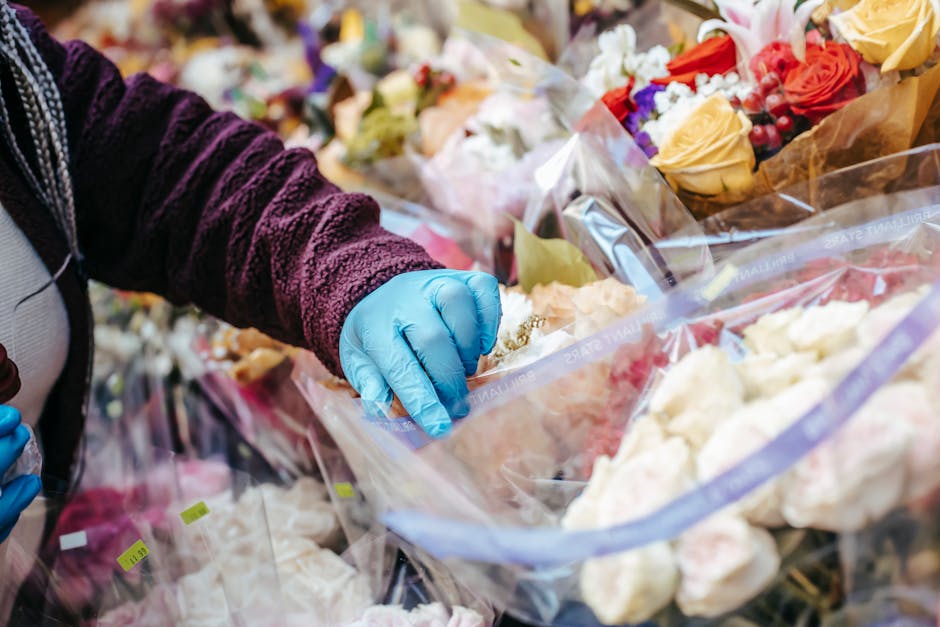
Layer 2: the non-organic extras. Cellophane, plastic sleeves, tape, floral foam, ribbon, elastic bands, wire, glitter, and artificial decorations should be separated out. These are the bits that tend to cause trouble. A bouquet can look delicate and natural, but the hidden materials are often the most important part from a waste perspective.
Layer 3: the container. Vases, trays, buckets, and pots may be reusable, recyclable, or waste depending on material type and condition. A cracked plastic pot is not the same as a glass vase, and neither is the same as a rental bucket from an event supplier.
The working principle is simple: separate before you discard. If you are ever in doubt, sorting it into the cleanest possible stream is usually better than mixing everything together. That does not mean forcing things into the wrong bin. It means taking thirty seconds to separate, inspect, and decide.
For larger volumes, especially after events or in commercial settings, the process becomes more formal. You may need to think about waste storage, collection frequency, contamination control, and whether a specialist waste route makes more sense. This is where practical waste management becomes less about one bouquet and more about a steady system.
Key Benefits and Practical Advantages
Following floral disposal guidance is not just about being tidy. It has some genuine practical upsides.
- Less contamination: Clean waste streams are easier to process, which is a big deal for recycling and composting.
- Cleaner storage areas: Proper sorting reduces odour, leakage, and soggy bin issues. Anyone who has lifted a flower-laden bag in warm weather will know what that means.
- Better compliance: Homes, florists, venues, and offices can avoid accidental breaches of local waste expectations.
- Lower disposal friction: When waste is sorted properly, collections are smoother and staff spend less time fixing mistakes.
- Improved sustainability: Organic material is diverted away from landfill where suitable options exist, while recoverable materials are handled more responsibly.
- More professional presentation: For businesses, correct disposal signals care and operational discipline. Clients notice that sort of thing, even if they do not say it out loud.
There is also a financial angle for commercial users. Clean waste is generally easier to manage than contaminated loads, which can create extra handling or rejected collections. The exact cost depends on the service and waste type, so it is wiser to think in terms of operational efficiency rather than fixed savings.
Practical summary: the cleaner the separation, the easier the disposal. Flowers, packaging, foam, and hard materials should not be treated as one waste item. Split them first, and everything becomes easier.
Who This Is For and When It Makes Sense
This guidance is useful for a wide group of people in Harrow and nearby areas. You might need it if you are dealing with a single bouquet at home or a room full of floral displays after a function.
Typical readers include:
- households clearing birthday flowers, sympathy arrangements, or seasonal bouquets
- florists managing leftover stock, stems, and packaging
- event organisers dealing with wedding and corporate floral waste
- venues such as halls, hotels, restaurants, and places of worship
- care settings or offices that receive regular floral deliveries
- families arranging funeral flowers and tributes
It makes sense whenever flowers are no longer display-ready and need to be removed without causing contamination or mess. That might be the morning after a wedding, the end of a funeral service, or the point when supermarket blooms have gone limp in the vase. You know the moment. The petals start dropping on the worktop and suddenly the issue is no longer decorative.
It is especially relevant if you handle mixed arrangements. For example, a sympathy wreath may include natural flowers, oasis foam, ribbon, and a printed card. The flowers and foliage may be handled differently from the foam and card. If you only focus on the visible arrangement, you can miss the practical waste issue entirely.
For business users, this also makes sense when your waste handling is repeated, not one-off. If floral waste comes through your operation regularly, the little habits matter. A bag here, a tray there, and suddenly you have a pattern. Better to set the pattern right from the start.
Step-by-Step Guidance
Here is a straightforward way to deal with floral disposal without overthinking it.
- Remove the flowers from packaging. Take off cellophane, plastic sleeves, tags, rubber bands, and any decorative wrap. Keep the flower heads, stems, and leaves separate from the non-organic materials.
- Check for hidden components. Look for foam, wire, water picks, clips, plastic stems, pins, or floral tape. These are easy to miss, especially on larger arrangements.
- Sort by material type. Put clean organic plant matter aside for green waste or composting where that option exists. Put plastic, metal, and foam into the correct waste stream.
- Reuse when possible. Vases, buckets, ribbons, and some packaging may be reusable if clean and undamaged. In a shop or event setting, reuse often makes more sense than disposal.
- Decide on the correct bin. If you have access to a green waste collection, use it for suitable plant material. If not, follow your local waste arrangement and place organic remnants where they are accepted. Do not assume recycling is the answer.
- Keep waste dry and contained. Wet flowers can turn bins into a mushy, smelly mess very quickly. A few drainage minutes help more than people realise.
- For large volumes, stage the disposal. If you are clearing after an event, work in batches. Separate first, bag second, dispose third. This avoids a rushed pile-up at the bin lid.
A practical tip: if stems are still long and waterlogged, trim them down before bagging. It saves space and makes the waste easier to handle. Small job, big difference.
And if the arrangement includes damaged glass, broken ceramic, or sharp wire, stop and handle that part carefully. Floral waste is gentle right up until it is not. A little caution saves an annoying nick or cut.
Expert Tips for Better Results
After dealing with enough floral waste, a few patterns become obvious. These are the sort of habits that make disposal smoother and cleaner.
1. Separate foam early. Floral foam is a common contamination culprit. Pull it out before anything else, because once it breaks apart it can scatter tiny pieces everywhere. Those bits are a nuisance.
2. Keep a "mixed materials" tray. In a florist, venue, or office, it helps to have one tray or box for ribbon, tags, pins, wires, and packaging fragments. That stops people from tossing mixed items into the nearest bag out of habit.
3. Do not overfill floral waste bags. Damp stems are heavier than they look. A bag that feels fine at the start can become awkward, wet, and split-prone by the time it reaches the bin.
4. Think about timing. If you are clearing flowers in the afternoon, especially on a warm day, they will deteriorate fast. An early tidy-up is better than leaving a bag of wet stems to sit until the next day. The smell will tell you why.
5. Build a routine for recurring waste. For businesses, a consistent process is more valuable than occasional heroics. Decide who strips the packaging, who checks for foam, and where each waste type goes. Once the routine is set, it nearly runs itself.
6. Use reusable materials where practical. If your operation has the option, reusable vases, transport crates, and display containers reduce the volume of mixed waste. Less waste in. Less sorting later. Simple, really.
7. Record unusual waste issues. If an arrangement contains an unexpected material or a supplier has used a non-standard filler, note it down. Over time, that helps you spot patterns and avoid repeat problems. Bit of a nerdy tip, perhaps, but it works.
Common Mistakes to Avoid
Most floral disposal mistakes are not dramatic. They are small, ordinary slip-ups that add up.
- Putting whole bouquets into recycling: The mix of organic and non-organic materials usually makes that a bad idea.
- Forgetting foam and wire: These hidden elements cause a lot of contamination and should be removed.
- Leaving flowers in plastic wrap: The wrap may be thin, but it still counts as a separate material.
- Mixing wet stems with dry cardboard: Moisture can ruin otherwise recyclable paper and packaging.
- Ignoring artificial flowers: Faux stems, plastic leaves, and silk-style arrangements should not be treated like fresh flowers.
- Using the wrong bin because it is nearest: Convenience is tempting. The nearest bin is not always the right bin.
- Assuming all councils treat green waste the same way: Local arrangements vary, so it is better to follow the guidance that applies to your collection system.
One mistake that comes up often is treating funeral tributes like regular bouquet waste. In practice, tributes can include card, memory ribbons, foam bases, pins, and mixed floral materials. There is no harm in being careful. In fact, that is usually the respectful approach as well as the practical one.
Another common issue is over-trusting "compostable" labels. Some items are compostable only in industrial conditions, not in a home setting or a regular waste bin. If you are unsure, do not assume. Check the actual disposal route first.
Tools, Resources and Recommendations
You do not need fancy equipment to dispose of floral waste properly, but a few simple tools help a lot.
- Sorting crates or tubs: Keep flowers, packaging, and hard materials apart from the start.
- Scissors or secateurs: Useful for trimming stems, cutting ribbon, and separating tied materials cleanly.
- Reusable waste sacks: Handy for green waste, provided they are suitable for your collection system.
- Protective gloves: Worth using if you are handling wire, broken glass, or long service arrangements.
- Labelled bins: Very helpful in shops, venues, and back-of-house areas where several waste streams operate at once.
- Dry storage space: Even a small shelf or corner helps keep bags of packaging separate from wet organic waste.
For businesses, a short internal guide can be more useful than a long policy nobody reads. Keep it simple. One page. Clear bin labels. A few photos if needed. People actually use that sort of thing.
If you also manage broader floral stock, it can help to align waste handling with your ordering and care routines. For example, if you already use a structured flower care guide, you can add disposal notes beside the care steps so staff know what to do when flowers reach the end of life. Likewise, businesses that sell arrangements regularly may benefit from reviewing sustainability alongside waste handling, so the whole process feels joined up rather than piecemeal.
That joined-up approach matters more than people think. It is easy to focus on beautiful flowers at the front and ignore what happens at the back, but waste is part of the service too. A tidy back-of-house system says a lot.
Law, Compliance, Standards, or Best Practice
Waste disposal in the UK is governed by general duties around correct segregation, responsible handling, and avoiding contamination of recycling and other waste streams. For everyday floral waste, the practical takeaway is straightforward: do not put mixed materials into a stream that cannot accept them.
If you are a household, the rules are usually experienced through your local collection service. If you are a business, venue, or florist, the expectations are more formal. You may have a duty to store waste safely, separate waste types properly, and use collection routes appropriate to the materials you produce. The exact requirements depend on your situation, so it is wise to follow current local guidance and any waste contractor instructions you have been given.
Best practice usually includes:
- keeping recyclable and organic materials free from food, dirt, and mixed contaminants
- separating non-organic components such as film, foam, and wire
- using secure storage so waste does not leak, blow away, or attract pests
- documenting internal procedures for staff if waste is generated regularly
- checking whether local green waste or commercial waste arrangements apply to your premises
If you are unsure whether a material belongs in recycling, green waste, or general waste, the safest route is to keep it out of recycling until you have clarity. Recycling systems are more sensitive than people imagine. A single wrong item does not always ruin a load, but it can create avoidable problems. No one needs that extra faff.
For shop owners and florists, this is also a customer-trust issue. When waste handling looks organised, the whole operation feels more professional. That matters in a local area where people notice how a business presents itself, even behind the scenes.
Options, Methods, or Comparison Table
Different floral waste situations call for different methods. The right one depends on volume, material mix, and what collection routes you actually have available.
| Method | Best for | Pros | Watch-outs |
|---|---|---|---|
| Green waste / organic stream | Clean flowers, stems, leaves, and other plant material | Best separation for biodegradable floral waste where available | Packaging and non-organic items must be removed first |
| General waste | Mixed floral waste where no organic route is available | Simple and often accepted for contaminated or mixed items | Less sustainable; can become heavy and wet |
| Reuse | Vases, buckets, certain ribbons, stands, and containers | Reduces waste and costs over time | Only works if items are clean and suitable for reuse |
| Specialist commercial waste handling | Floral businesses, venues, and event operators with frequent waste | Better control, cleaner workflows, less confusion | Needs setup and consistent internal sorting |
For a one-off home bouquet, general waste or a local organic route may be enough. For a florist or busy venue, reuse and structured separation tend to pay off quickly. The main idea is not to make disposal complicated. It is to make it sensible.
If you are already offering a range of floral services, from everyday arrangements to event work, it helps to think of waste method as part of your service design. A business that handles everything from funeral flowers to wedding installations benefits from a clear disposal process because the waste profile changes from job to job. A sympathy spray is not the same as a table centrepiece. Obvious, yes, but worth saying.
Case Study or Real-World Example
Imagine a small community venue in Harrow that hosted a Saturday wedding. By Sunday morning, the team had a stack of table arrangements, a few ceremony pieces, and several larger displays near the entrance. Some were in glass vases, some were in foam bases, and one had ribbons, dried seed heads, and decorative wire spirals.
At first glance, it looked like one big floral mess. The team could have bundled everything into one waste bag and moved on. That would have been quick, but messy in the wrong way. Instead, they sorted it into three groups: reusable containers, organic plant material, and mixed non-organic items. The glass vases were washed and stored. The stems and leaves were separated from the foam. The foam, ribbon, and wire went into the appropriate general waste route.
The practical result was simple: less smell, less waste volume in the main bin, and a cleaner storage area before the next event. More importantly, nobody had to re-open a bag later because the wrong thing had been thrown in. That sort of annoyance is small on paper and huge in real life. You can almost hear the bin lid complaining.
A florist-facing version of the same scenario would be even more structured. A shop might strip incoming arrangements as they are unpacked, sort packaging separately, and keep a dedicated tub for broken stems and leaves. Over a week, that habit saves time and keeps the workspace looking cared for. That is useful for staff, and it is reassuring for customers if they can see the shop is run properly.
Practical Checklist
Use this checklist when you are dealing with floral waste in Harrow.
- Have I separated the flowers from plastic wrap, ribbon, labels, and ties?
- Have I checked for floral foam, wire, pins, and water tubes?
- Do I know whether the plant material can go into green waste or needs another route?
- Have I kept wet floral waste away from clean recyclable cardboard or paper?
- Can any vase, bucket, or container be reused instead of thrown away?
- Are artificial flowers and decorations being handled separately from fresh stems?
- If this is a business or venue, do staff know which bin each material should go into?
- Have I avoided overfilling bags with damp stems and leaves?
- Is the waste stored safely until collection?
- Would a specialist waste process make more sense for repeated or large-scale floral disposal?
It sounds basic, but that is the point. Good waste handling usually is basic once you break it down. Not easy-easy. Just manageable.
Conclusion
Waste rules for floral disposal are really about one thing: separating natural flower material from the extra bits that come with it. Once you do that, everything becomes simpler. The bin choices make more sense, contamination drops, and the clean-up feels much more controlled.
For Harrow households, florists, and venues, the best approach is practical rather than perfect. Separate first, reuse where you can, use the right waste route for the material, and stay cautious with mixed arrangements. That is usually enough to avoid the common traps. And honestly, it makes the whole job a lot less irritating.
If you are planning ongoing floral work, event clean-ups, or regular stock handling, it is worth building a routine that people can actually follow. A straightforward system beats a clever one every time. Flowers may be temporary, but a good process lasts.
Get a free quote today and see how much you can save.
Frequently Asked Questions
Can I put dead flowers in the recycling bin?
Usually, no. Dead flowers are organic, but recycling bins are generally for dry recyclable materials like paper, cardboard, glass, metal, and certain plastics. Fresh or decaying flowers can contaminate the load. If you have a green waste or organic collection option, that is often the better route, provided the arrangement is free from non-organic materials.
Are flower stems compostable?
In many cases, yes, because stems are plant material. The issue is everything attached to them. Tape, wire, tags, floral foam, and plastic wrap need to be removed first. If you are composting at home, chop the stems up a bit and avoid adding anything synthetic. Nice and simple, really.
What should I do with floral foam?
Floral foam should normally be removed and disposed of separately from plant waste. It breaks apart easily and can create contamination if mixed into organic waste or recycling. If you work with event flowers often, it is worth keeping a dedicated tray for foam removal. Saves a mess later.
Can I recycle plastic flower wrap?
Only if your local system accepts that type of plastic and it is clean enough to be recycled. In many cases, soft plastic wrap and mixed packaging are not suitable for household recycling unless specifically accepted. When in doubt, separate it and follow the local disposal guidance you have available.
What about artificial flowers?
Artificial flowers are usually treated differently from fresh flowers because they are made from mixed materials such as plastic, wire, fabric, and glue. They generally do not belong in organic waste. If they are reusable, that is the best option. If not, they usually need general waste handling or another route that suits the materials.
Can funeral flowers go in garden waste?
Sometimes the floral parts can, but only after removing non-organic elements like ribbons, pins, foam, and decorative holders. Funeral tributes often contain mixed materials, so it is best to sort them carefully. If the arrangement includes items you want to keep, such as cards or keepsakes, set those aside first.
Is it better to reuse vases and containers?
Yes, if they are clean and still usable. Reuse is usually better than disposal for vases, buckets, and sturdy containers. In a business setting, reusable containers can cut waste and make stock handling easier. For households, it also saves a few pounds and a bit of faff.
How do florists usually dispose of floral waste?
Florists often separate the waste into plant material, packaging, foam, and reusable items. Many also use dedicated waste bags or tubs behind the counter. The exact setup depends on the size of the business and the collections available, but the principle stays the same: keep the organic and non-organic parts apart.
What is the biggest mistake people make with flower waste?
The biggest mistake is treating the entire bouquet as one item. Flowers, wrap, ties, foam, and decorative extras all behave differently in waste streams. Once you separate them, disposal becomes much more reliable. Before that, it is easy to guess wrong.
Do Harrow waste rules treat floral waste differently from food waste?
They can, because the materials and collection routes are different. Food waste has its own handling rules, while floral waste may go to green waste, general waste, or another route depending on the item mix and local collection system. If you manage both, keep them separate from the start.
What should I do after a large wedding or event?
Work in stages. Start by separating reusable items, then strip out all packaging and non-organic materials, then sort the plant waste. Do not leave mixed floral waste in one pile overnight if you can avoid it. It gets heavier, smellier, and more awkward by the next morning. Been there, not fun.
When should I consider specialist waste handling?
If floral waste is regular, large in volume, or mixed with event materials, specialist handling may be worth considering. This is especially true for florists, venues, and hospitality businesses. A proper waste routine can reduce contamination, keep workspaces cleaner, and make collections easier to manage over time.
Keeping floral waste under control is rarely about one perfect decision. It is about a few sensible habits done consistently, and that is very doable. One tidy sort at a time.